Why Florida's Hurricane History Is Reshaping Commercial Insurance Forever
Why Florida's Hurricane History Is Reshaping Commercial Insurance Forever
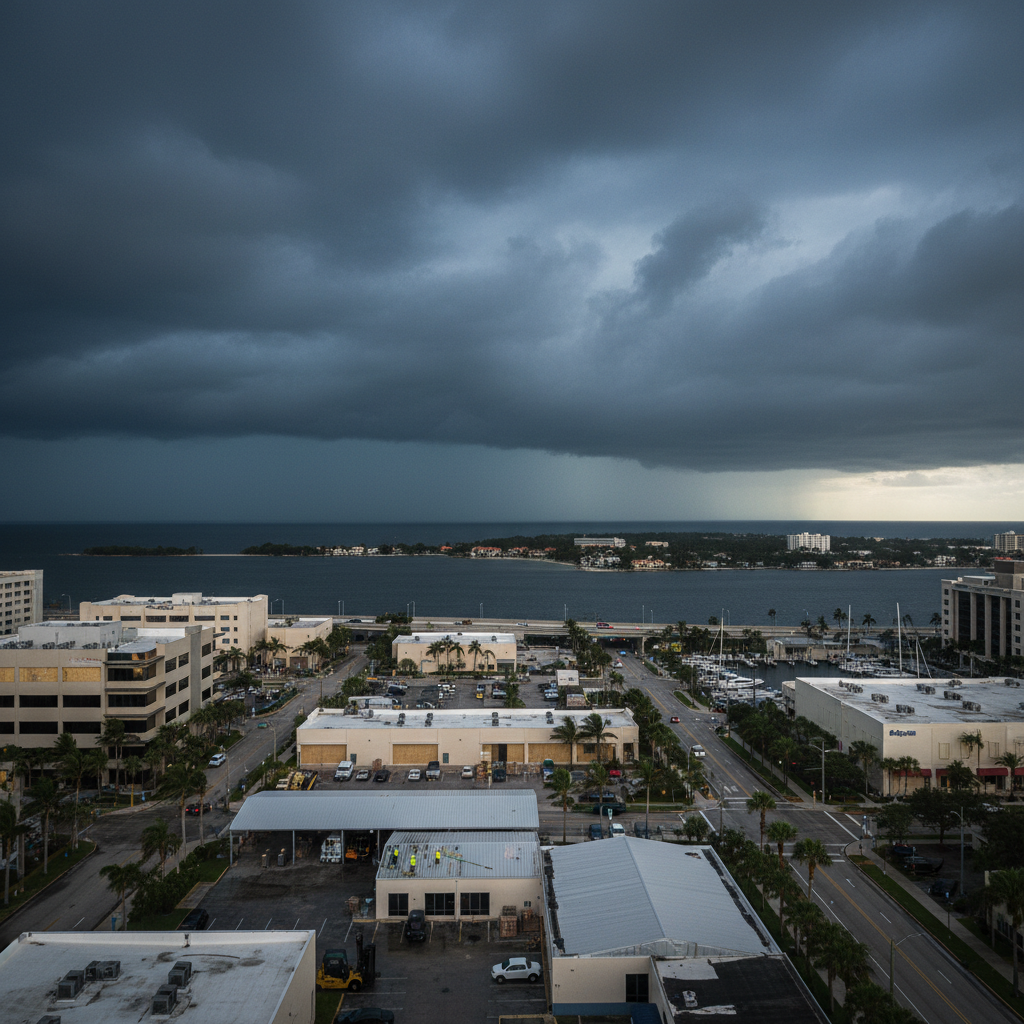
Florida's commercial insurance market isn't just different—it's fundamentally altered by decades of hurricane damage and regulatory responses. While other states debate standard coverage limits, Florida businesses face a landscape where traditional assumptions about risk and pricing simply don't apply.
At Amerus Insurance Group, we've watched this transformation accelerate after each major storm season. The rules that work in Georgia or Alabama often create dangerous gaps here. Understanding why requires looking beyond basic coverage to how Florida's unique regulatory environment shapes every aspect of commercial protection.
The Assignment of Benefits Crisis That Changed Everything
Here's what most business owners don't realize: Florida's Assignment of Benefits (AOB) laws created a litigation explosion that fundamentally altered how carriers approach commercial accounts. Between 2013 and 2019, AOB lawsuits increased by over 90,000% in some counties.

What this means for your business today is that carriers now require much more detailed risk assessments upfront. We've seen perfectly qualified businesses get declined not because of their actual risk, but because they're located in ZIP codes with high litigation rates. The solution isn't shopping for cheaper quotes—it's working with advisors who understand which carriers still write aggressively in specific areas.
Our approach at Amerus Insurance Group involves pre-qualifying applications with carriers who have appetite for your specific location and business type. This saves months of back-and-forth and prevents the multiple declinations that can actually hurt your insurability later.
Geographic Risk Tiers Most Agents Miss
Insurance carriers now use micro-geographic modeling that can vary dramatically within the same city. We've seen identical restaurants two miles apart receive quotes that differ by 300%. The key factors carriers examine include:
- Historical litigation frequency by ZIP code
- Proximity to known flood zones (even for non-flood coverage)
- Local building code enforcement history
- Emergency response infrastructure quality
Smart business owners request location-specific risk assessments before signing leases. This simple step can save thousands annually.
Why Standard Workers' Compensation Gets Complicated Here
Florida's workers' compensation system operates differently from most states, particularly around subcontractor relationships and coverage requirements. The state's unique approach to independent contractor classification means businesses often carry more exposure than they realize.

We regularly see contractors assume their subcontractors' certificates provide adequate protection, only to discover Florida's joint and several liability rules can hold them responsible for uncovered injuries. The construction industry faces particular complexity here because Florida doesn't allow opt-out programs that exist in other states.
Our team helps clients navigate these requirements by conducting annual exposure audits that identify potential gaps before they become claims. This includes reviewing all vendor relationships and ensuring proper certificate tracking throughout the year.
The Subcontractor Certificate Trap
Florida courts have consistently ruled that general contractors can be held liable for subcontractor injuries even when proper certificates exist, if coverage lapses occur during the work period. This makes ongoing certificate monitoring not just good practice, but legally necessary.
The practical solution involves automated tracking systems that alert you to expiring coverage before work begins. We help clients implement these systems as part of their overall risk management strategy.
Flood vs. Wind: The Coverage Split Everyone Gets Wrong
Florida's dual-risk environment creates coverage complexities that don't exist in other markets. Standard commercial policies exclude flood damage, but determining whether hurricane damage qualifies as "flood" or "wind" often requires expensive litigation.
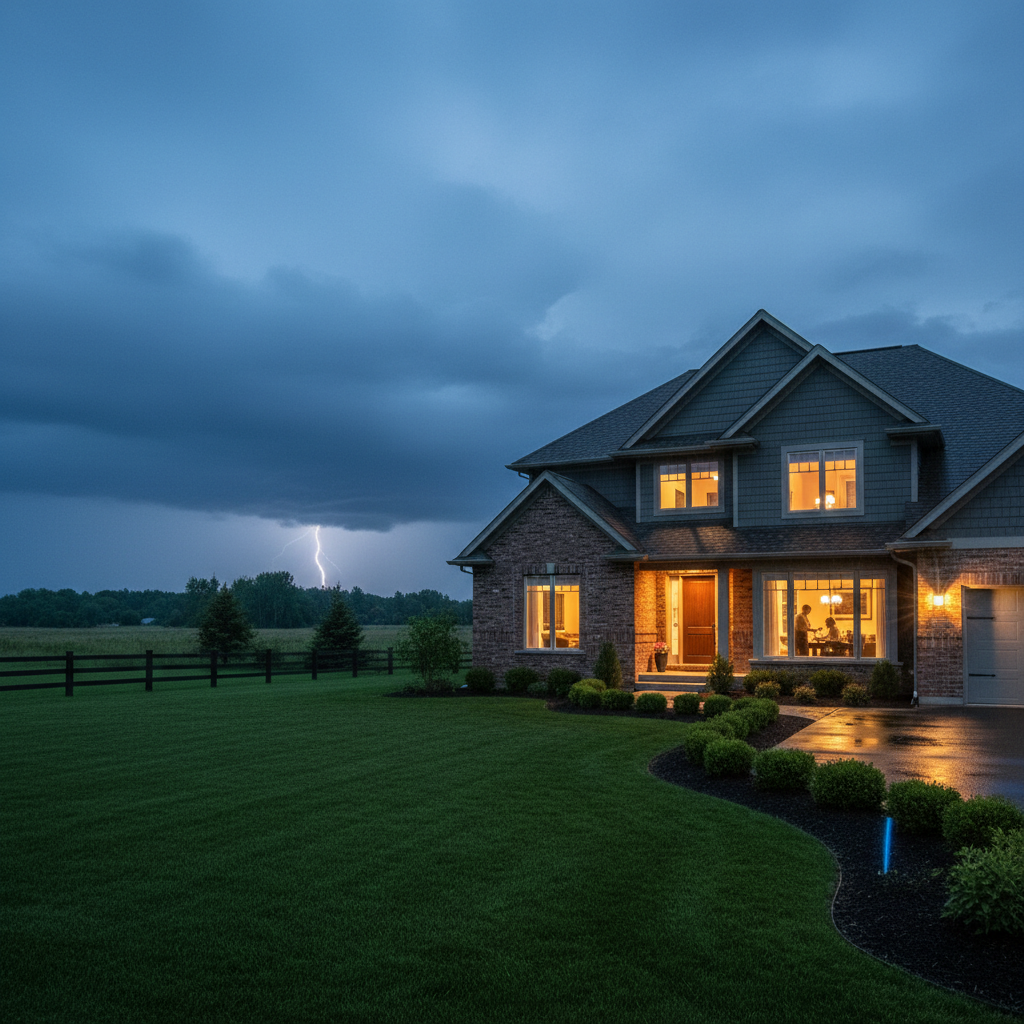
The infamous "concurrent causation" issue means that damage from both wind and flood during the same storm can leave businesses fighting multiple insurance companies while their operations remain shut down. Smart businesses address this through careful policy coordination rather than hoping for favorable claim interpretations.
At Amerus Insurance Group, we structure coverage packages that minimize gaps between wind and flood policies. This includes timing policy renewals to align coverage periods and ensuring consistent valuation methods across all policies.
Business Interruption Timing Matters
Florida's hurricane season creates predictable business interruption patterns, but standard policies often exclude losses from "named storms" that haven't made landfall. We've seen businesses lose weeks of revenue from evacuation orders alone, with no coverage because the storm ultimately missed their area.
The solution involves adding civil authority coverage that responds to government-ordered closures, regardless of actual damage to your property. This coverage costs relatively little but can mean the difference between surviving a major storm season and closing permanently.
Frequently Asked Questions
Do I need separate hurricane coverage in Florida?
No, hurricane coverage isn't a separate policy type. However, most commercial policies include hurricane deductibles that apply differently from standard deductibles. These are typically percentage-based rather than flat dollar amounts and can range from 2% to 5% of your total insured value per occurrence.

How does Florida's insurance marketplace affect my rates?
Florida's market has fewer carriers writing new business compared to five years ago, which reduces competition and increases rates. However, businesses with strong risk management practices and loss-free histories can still find competitive coverage with proper placement strategies.
What's different about liability coverage requirements in Florida?
Florida doesn't mandate commercial general liability insurance for most businesses, but requires higher workers' compensation limits than many states. The key difference is in how courts handle comparative negligence, which can increase liability exposure for businesses operating in multiple states.
Should I buy cyber coverage if I already have general liability?
Yes, because general liability specifically excludes cyber-related losses in Florida as of 2019. This includes both data breaches and technology errors that cause business interruption. Cyber coverage fills these gaps and provides breach response services that general liability doesn't offer.
How often should I review my commercial coverage in Florida?
Annual reviews are insufficient given Florida's rapidly changing market conditions. We recommend quarterly check-ins during hurricane season and immediate reviews after any major storm affects your region, regardless of damage to your specific property.
Florida's commercial insurance landscape will continue changing as climate patterns shift and regulations evolve. Businesses that treat insurance as an annual transaction rather than an ongoing risk management strategy consistently pay more and receive less protection.
The companies that thrive here understand that insurance success comes from working with advisors who live and breathe Florida's unique challenges every day. Your business deserves protection strategies designed specifically for this market, not generic approaches that work everywhere else.
📅 Upcoming Events & Webinars
Stay updated with our latest Commercial Insurance in Florida events, workshops, and industry insights.
View Our Calendar →

Comments
Post a Comment